The Reading Lab
The Reading Lab
A teacher-led dyslexia intervention tool for learning support teachers in mainstream primary schools
A teacher-led dyslexia intervention tool for learning support teachers in mainstream primary schools
A teacher-led dyslexia intervention tool for learning support teachers in mainstream primary schools
Role
Solo Designer & Researcher
Solo Designer & Researcher
Solo Designer & Researcher
Duration
12 weeks
12 weeks
12 weeks
Tools
Figma, Claude AI
Figma, Claude AI
Figma, Claude AI
Team
Solo Project & Collaboration with a Primary School
Solo Project & Collaboration with a Primary School
Solo Project & Collaboration with a Primary School

See the process
Final year of BA Interaction Design
Final year of BA Interaction Design
Why this project
Why this project
I went to a Specific Learning Difficulty (SpLD) school for two years. Most students never get that chance.
I went to a Specific Learning Difficulty (SpLD) school for two years. Most students never get that chance.
I have dyslexia. For two years, I received specialist support that transformed my education: small classes, structured phonics, and teachers trained in dyslexia support.
For most students, this isn't an option. There are only a handful of specialist schools, and places are limited.
This project started with a simple question: what happens to everyone else?
I have dyslexia. For two years, I received specialist support that transformed my education: small classes, structured phonics, and teachers trained in dyslexia support.
For most students, this isn't an option. There are only a handful of specialist schools, and places are limited.
This project started with a simple question: what happens to everyone else?
The Problem
The Problem
“Students are no longer learning to read, they are reading to learn.”
“Students are no longer learning to read, they are reading to learn.”
- Primary school teacher
- Primary school teacher
Reading support stops. Dyslexia doesn't.
Reading support stops. Dyslexia doesn't.
After second class it is assumed that students are able readers, this IS the case for the majority, but of course it is not the reality for ALL students (specifically those with dyslexia).
After second class it is assumed that students are able readers, this IS the case for the majority, but of course it is not the reality for ALL students (specifically those with dyslexia).
Specialist help exists. But it is inaccessible.
Specialist help exists. But it is inaccessible.
A diagnosis takes 18 months through the public system. Private assessment is faster, but not affordable for most families.
Accessing a SpLD school requires additional psychological testing to qualify for one of the few places in classes.
Schools rarely have a psychologist on hand to test, so parents if they can afford it pay out of pocket.
A diagnosis takes 18 months through the public system. Private assessment is faster, but not affordable for most families.
Accessing a SpLD school requires additional psychological testing to qualify for one of the few places in classes.
Schools rarely have a psychologist on hand to test, so parents if they can afford it pay out of pocket.
The Challenge
The Challenge
⚡️ How might we bring specialist teaching methods into a mainstream primary schools?
⚡️ How might we bring specialist teaching methods into a mainstream primary schools?
⚡️ How might we bring specialist teaching methods into a mainstream primary schools?
Three things had to be true at once:
No specialist training required.
No diagnosis required.
No way for classmates to notice.
That last one mattered more than expected. Students go to real lengths to hide their struggle from friends.
Three things had to be true at once:
No specialist training required.
No diagnosis required.
No way for classmates to notice.
That last one mattered more than expected. Students go to real lengths to hide their struggle from friends.
Research
Research
Primary & Secondary Research
Primary & Secondary Research
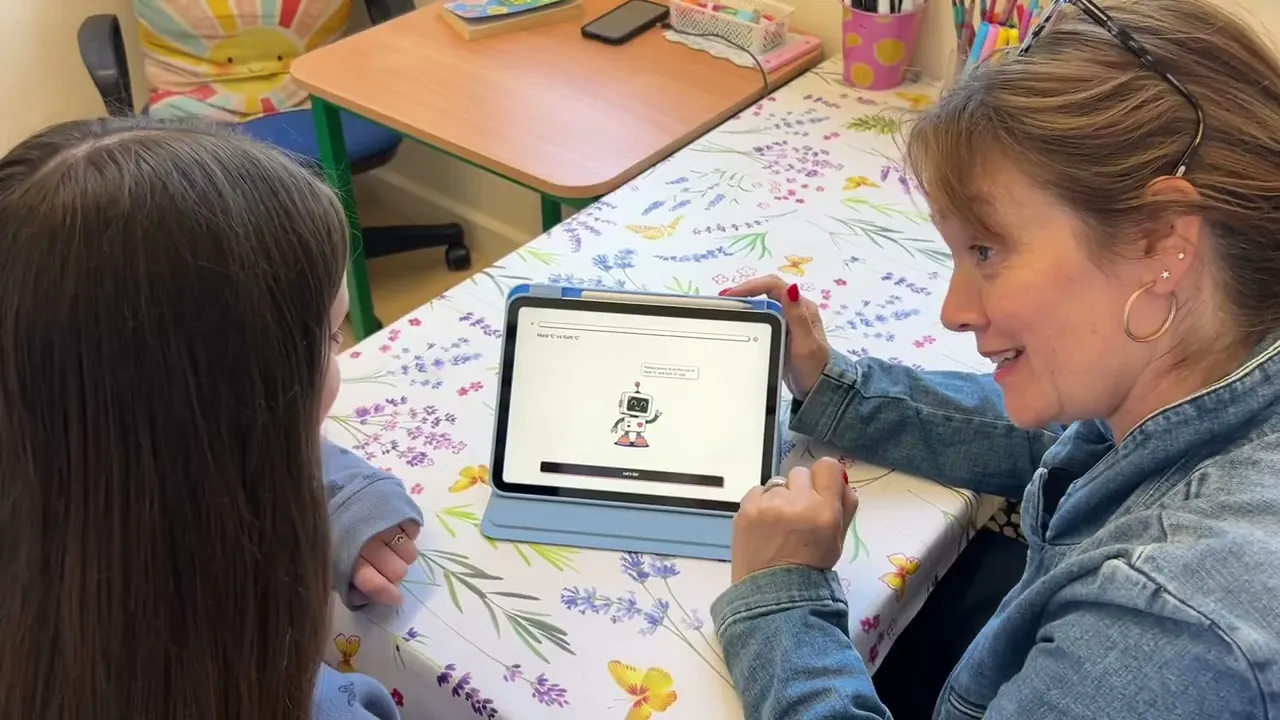
I went into a primary school in Drogheda to see how my desktop research works in practice, there I did observational studies and interviews with staff and students.
Points of intervention.
Identify current practices.
Roles and responsibilities of different staff members.
The different needs of students and teachers.
I went into a primary school in Drogheda to see how my desktop research works in practice, there I did observational studies and interviews with staff and students.
Points of intervention.
Identify current practices.
Roles and responsibilities of different staff members.
The different needs of students and teachers.


Fig: Secondary research done with Dyslexia Ireland, National Council for Special Education & Universal Design for Learning
Fig: Secondary research done with Dyslexia Ireland, National Council for Special Education & Universal Design for Learning
Fig: Secondary research done with Dyslexia Ireland, National Council for Special Education & Universal Design for Learning

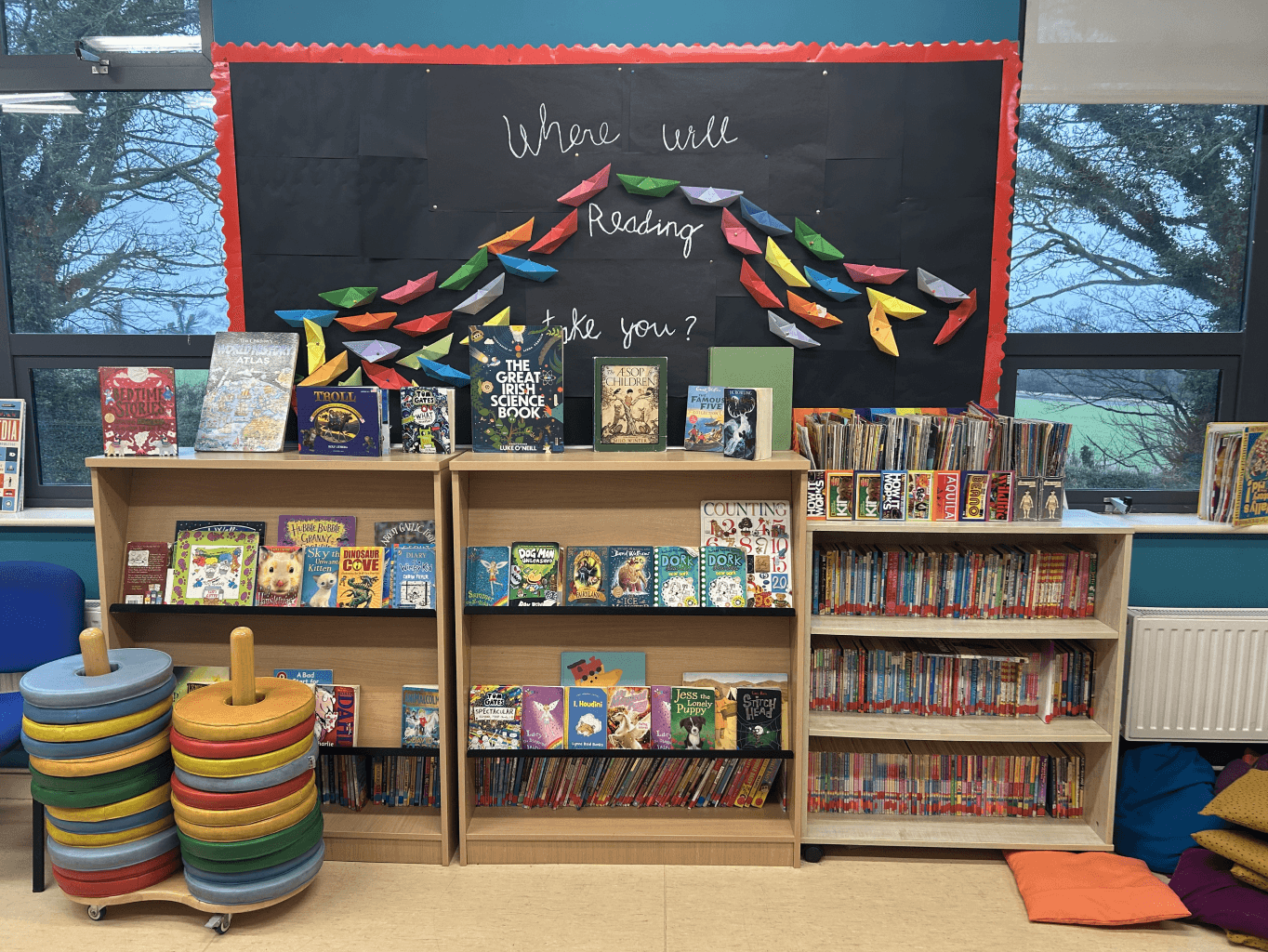
Fig: Library in the school of the local primary school in Drogheda
Fig: Library in the school of the local primary school in Drogheda
Fig: Library in the school of the local primary school in Drogheda
Three Concepts,
One Real Problem
Three Concepts, One Real Problem
Three Concepts,
One Real Problem
I tested three different directions with the school, one addressed the root cause.
I tested three different directions with the school, one addressed the root cause.
The Reading Lab stood out because it addressed key gaps in the system: limited teacher support in mainstream schools, the reliance on diagnosis for support, and the need for discreet intervention.
The Reading Lab stood out because it addressed key gaps in the system: limited teacher support in mainstream schools, the reliance on diagnosis for support, and the need for discreet intervention.
The Reading Lab
The Reading Lab
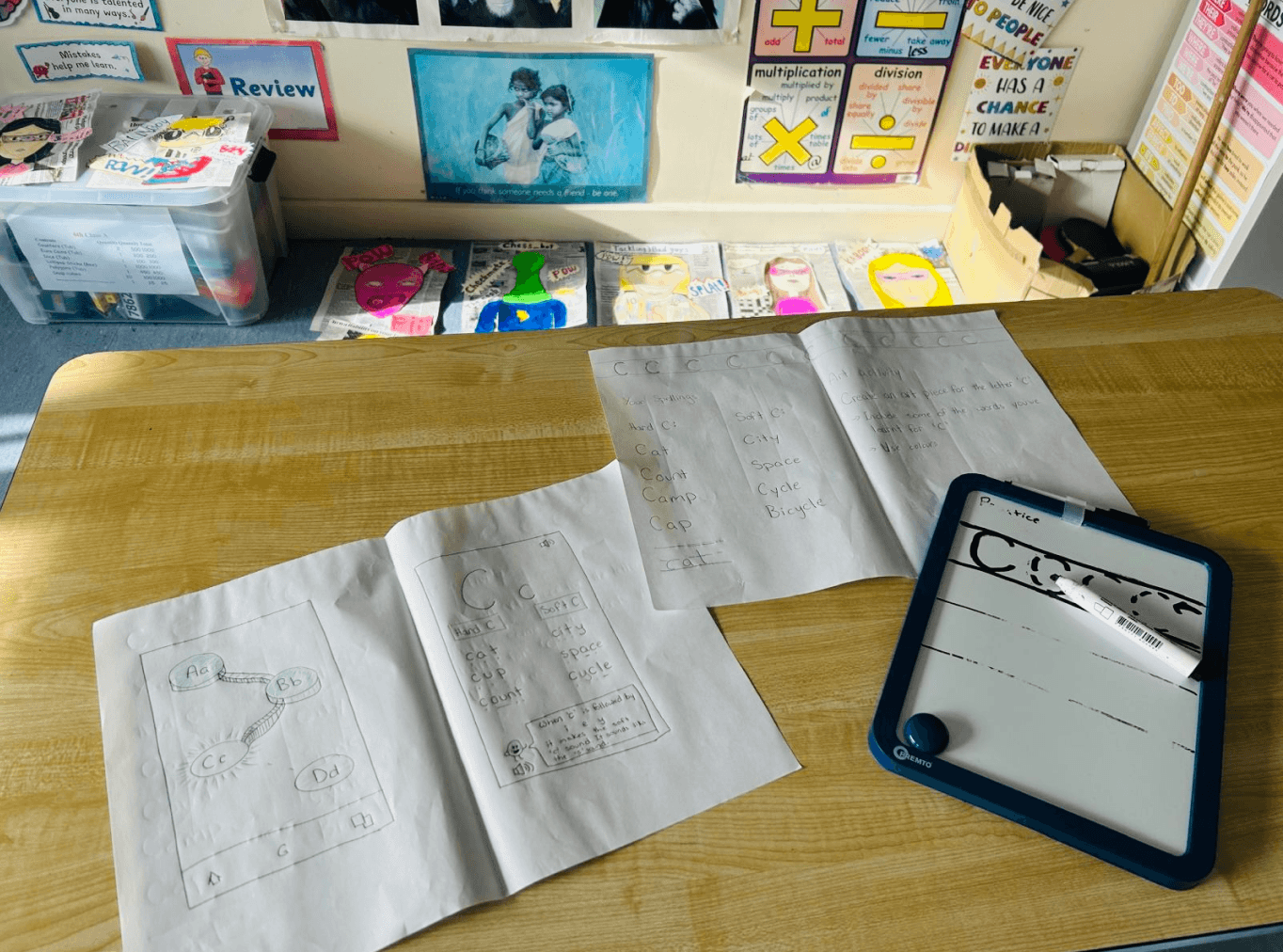
A gamified phonics experience, addressing the gaps in literacy in the school system.
Chosen: It addressed the gaps in the current school system curriculum.
A gamified phonics experience, addressing the gaps in literacy.
Chosen: It addressed the gaps in the current school system curriculum.
A gamified phonics experience, addressing the gaps in literacy in the school system.
Chosen: It addressed the gaps in the current school system curriculum.
Library Service
Library Service
Inclusive library system, addressing emotional needs of students.
Not Chosen: While important, it does not address the issues within the curriculum.
Inclusive library system, addressing emotional needs of students.
Not Chosen: While important, it does not address the issues within the curriculum.
Inclusive library system, addressing emotional needs of students.
Not Chosen: While important, it does not address the issues within the curriculum.

Assistive Tech 101
Assistive Tech 101
Learn and apply assistive technology, addressing gaps in technology knowledge.
Not Chosen: Access to assistive tech requires extensive additional testing.
Inclusive library system, addressing emotional needs of students.
Not Chosen: While important, it does not address the issues within the curriculum.
Learn and apply assistive technology, addressing gaps in technology knowledge.
Not Chosen: Access to assistive tech requires extensive additional testing.
System Thinking
System Thinking
Choosing the Point of Intervention
Choosing the Point of Intervention
Learning support because it allowed students to receive help without drawing attention, reducing the risk of feeling different in front of peers.
Learning support because it allowed students to receive help without drawing attention, reducing the risk of feeling different in front of peers.
👥 Dedicated time
👥 Dedicated time
Learning support is a time where students were regularly pulled from class, in 1:1 or small group settings. This made it the only setting where using The Reading Lab wouldn't attract attention or feel different from any other support.
Learning support is a time where students were regularly pulled from class, in 1:1 or small group settings. This made it the only setting where using The Reading Lab wouldn't attract attention or feel different from any other support.
👀 Low visibility
👀 Low visibility
Bringing it into the classroom would increase visibility in front of peers, something research showed students actively tried to avoid.
Bringing it into the classroom would increase visibility in front of peers, something research showed students actively tried to avoid.
🛡️ Making sure students are comfortable
🛡️ Making sure students are comfortable
The decision wasn't about technology or content. It was about protecting students from feeling different.
The decision wasn't about technology or content. It was about protecting students from feeling different.
User Profiles
User Profiles
The research made it evident how different users would use the app differently. To cater to this, I created them into two user personas based on my research on the users goals and frustrations
The research made it evident how different users would use the app differently. To cater to this, I created them into two user personas based on my research on the users goals and frustrations
The research made it evident how different users would use the app differently. To cater to this, I created them into two user personas based on my research on the users goals and frustrations

1. Learning support teacher (Primary school teacher, Maeve Kelly, 32 years old)
1. Learning support teacher (Primary school teacher, Maeve Kelly, 32 years old)
Takes multiple students out for learning support a day | Not trained as a dyslexia specialist | Supports children with a range of learning needs
Takes multiple students out for learning support a day | Not trained as a dyslexia specialist | Supports children with a range of learning needs
Goals:
• Track each student’s progress in a clear and time-efficient way
• Feel more confident supporting students with dyslexia without specialist training
• Have clear evidence of progress to share with parents and class teachers
Goals:
• Track each student’s progress in a clear and time-efficient way
• Feel more confident supporting students with dyslexia without specialist training
• Have clear evidence of progress to share with parents and class teachers
Frustrations:
• Struggles to remember exactly where each student left off between sessions
• No one place to keeps notes, reading records, and activities making it difficult to track each student
• Feels unsure if she is using the most effective strategies for students with dyslexia
Frustrations:
• Struggles to remember exactly where each student left off between sessions
• No one place to keeps notes, reading records, and activities making it difficult to track each student
• Feels unsure if she is using the most effective strategies for students with dyslexia

2. Dyslexic Student (4th Class, Sophia Walsh, 10 years old)
2. Dyslexic Student (4th Class, Sophia Walsh, 10 years old)
Goes to learning support three times a week | Waiting list for dyslexia diagnosed | Really struggles with reading | Becomes quiet and anxious when reading
Goes to learning support three times a week | Waiting list for dyslexia diagnosed | Really struggles with reading | Becomes quiet and anxious when reading
Goals:
• Feel like learning support is actually helping her improve
• Finish a book she chose herself and genuinely enjoyed
• Be able to work without feeling anxious or embarrassed
Goals:
• Feel like learning support is actually helping her improve
• Finish a book she chose herself and genuinely enjoyed
• Be able to work without feeling anxious or embarrassed
Frustrations:
• Doesn’t want her peers to see that she is struggling
• Feels like she doesn’t achieve academic success
• Struggles to be able to breakdown words
Frustrations:
• Doesn’t want her peers to see that she is struggling
• Feels like she doesn’t achieve academic success
• Struggles to be able to breakdown words
What Testing Actually Changed
What Testing Actually Changed
Early prototyping started as a digital lesson & physical activities. Testing revealed the real problems.
Early prototyping started as a digital lesson & physical activities. Testing revealed the real problems.
Early testing pointed the design somewhere I hadn't expected.
Teachers didn't feel confident using the tool, specifically on assessing a student correctly, and whether they were ready to move on.
Two gaps came out of this clearly:
No guidance. Teachers had no clear signal for what to watch for, or when a student was ready to progress.
No way to track. Teachers also needed a record they could point to, both for their own decisions and for the reports they hand in every month.
Early testing pointed the design somewhere I hadn't expected.
Teachers didn't feel confident using the tool, specifically on assessing a student correctly, and whether they were ready to move on.
Two gaps came out of this clearly:
No guidance. Teachers had no clear signal for what to watch for, or when a student was ready to progress.
No way to track. Teachers also needed a record they could point to, both for their own decisions and for the reports they hand in every month.
Early testing pointed the design somewhere I hadn't expected.
Teachers didn't feel confident using the tool, specifically on assessing a student correctly, and whether they were ready to move on.
Two gaps came out of this clearly:
No guidance. Teachers had no clear signal for what to watch for, or when a student was ready to progress.
No way to track. Teachers also needed a record they could point to, both for their own decisions and for the reports they hand in every month.
“How would I know when a student is ready to move to the next lesson or move up in their reading level?”
“How would I know when a student is ready to move to the next lesson or move up in their reading level?”
“How would I know when a student is ready to move to the next lesson or move up in their reading level?”
- Primary school teacher
- Primary school teacher
- Primary school teacher


Redesign
Three Concepts, One Real Problem
Redesign
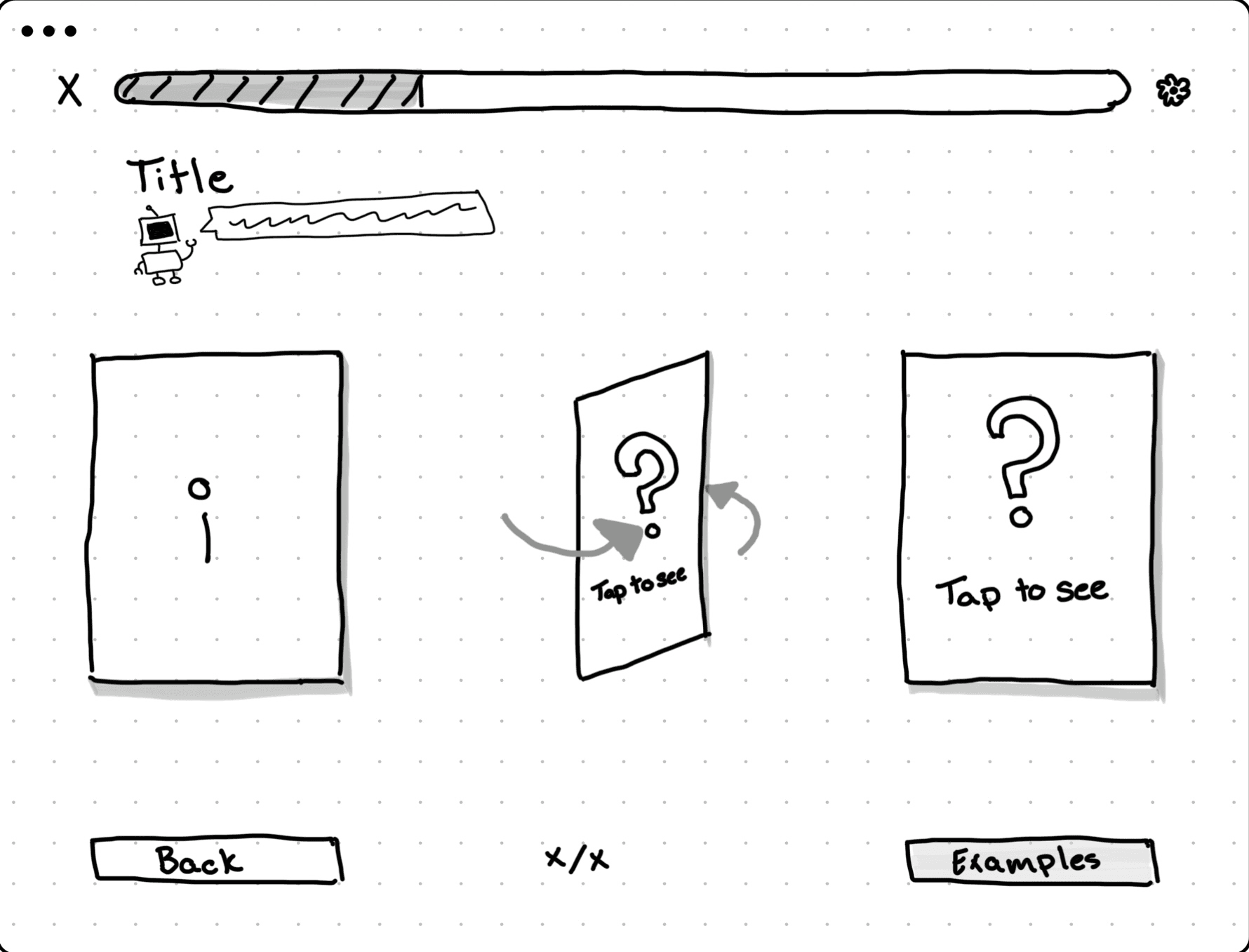
Before any visual direction, I needed to know what had to be on each screen.
Before any visual direction, I needed to know what had to be on each screen.
The first layouts had key actions were getting buried.
I rebuilt the structure around the Gutenberg pattern, design layout that follows the natural reading path placing important information and actions along this visual flow.
This gave the next stage of design a skeleton to work from, before a single colour or font was chosen.
The first layouts had key actions were getting buried.
I rebuilt the structure around the Gutenberg pattern, design layout that follows the natural reading path placing important information and actions along this visual flow.
This gave the next stage of design a skeleton to work from, before a single colour or font was chosen.


Where AI Fit In
Where AI Fit In
Used in specific places, for specific reasons, not as a substitute for research or design judgment.
Used in specific places, for specific reasons, not as a substitute for research or design judgment.
During the research stage, I used Claude to help structure and synthesise raw interview and observation notes from research into clearer themes.
The insights themselves came from real interviews and observation; this was synthesis support, not insight generation.
Figma AI plugins for tasks like generating placeholder content, batch-renaming layers, or quick variant exploration of layout options.
During the research stage, I used Claude to help structure and synthesise raw interview and observation notes from research into clearer themes.
The insights themselves came from real interviews and observation; this was synthesis support, not insight generation.
Figma AI plugins for tasks like generating placeholder content, batch-renaming layers, or quick variant exploration of layout options.
⭐️ What AI did not do:
It did not generate the research findings, did not make the pivot decision from physical to digital, and did not make the accessibility or interface decisions.


The Reading Lab
The Reading Lab
Bringing dyslexia teaching methods to every learning support teacher.
Bringing dyslexia teaching methods to every learning support teacher.
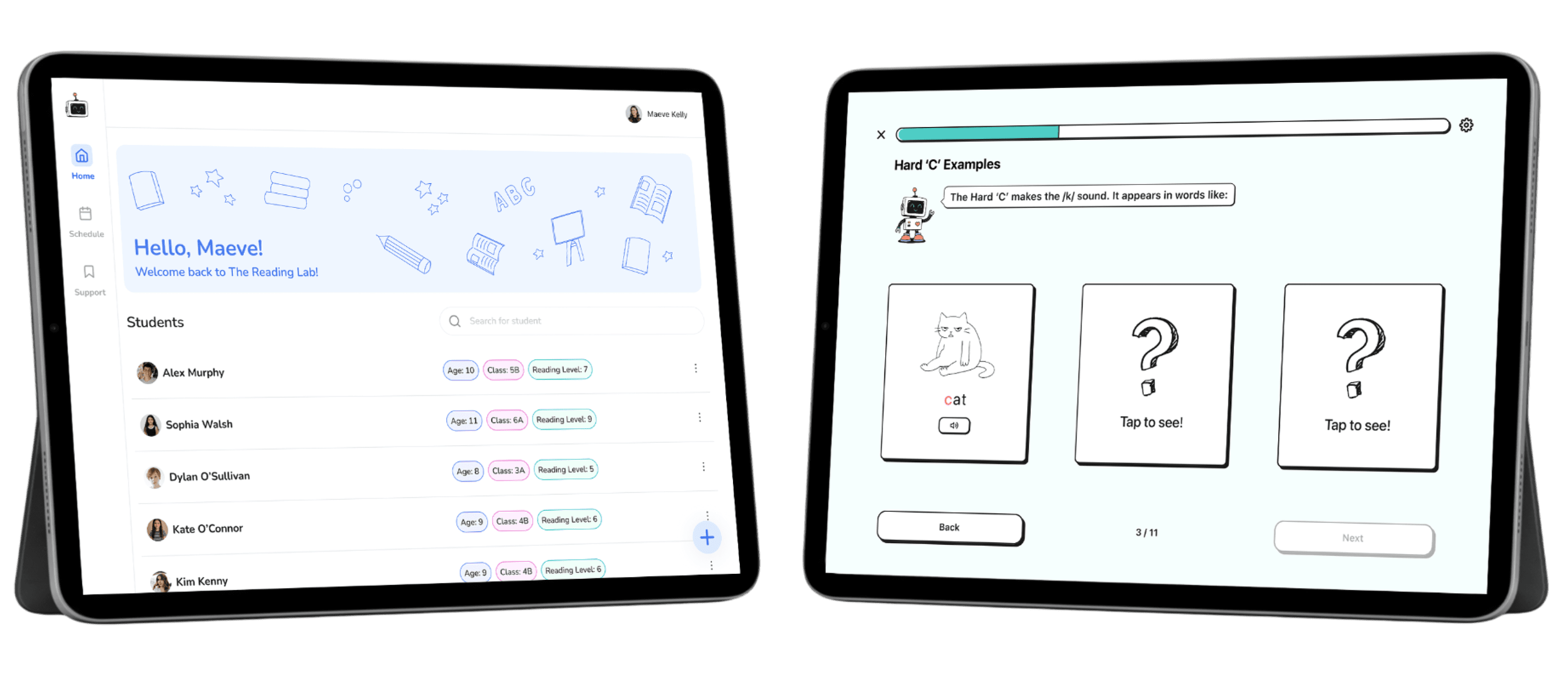
Dual view system
Dual view system
Teacher and the student have different needs.
Teacher and the student have different needs.
USER NEEDS
Learning Support Teachers
Needs to track multiple students, log sessions, access strategies, and understand progress, all during within a short 1:1 session.
Needs to track multiple students, log sessions, access strategies, and understand a students progress, all during within a short 1:1 session window.
USER NEEDS
Dyslexic Student
Needs a low-pressure, structured experience that feels engaging. Needs to be able to keep up with the lesson at their own pace.
Needs a low-pressure, structured experience that feels engaging. Needs to be able to keep up with the lesson at their own pace.
Teacher View
Teacher View
A tool that feels trustworthy
A tool that feels trustworthy
Designed to feel like a professional tool, it uses white space and a professional colour system to feel trustworthy.
A teacher needs to feel confident handing this tool information about a child. It has to feel like a serious product.
Designed to feel like a professional tool, it uses white space and a professional colour system to feel trustworthy.
A teacher needs to feel confident handing this tool information about a child. It has to feel like a serious product.

Built So Teachers Actually Use It
Built So Teachers Actually Use It
A tool teachers don't trust, or don't have time for, doesn't get used. So this had to solve their problem, not just the student's.
A tool teachers don't trust, or don't have time for, doesn't get used. So this had to solve their problem, not just the student's.
Progress tracking. Gives teachers a record they can point to, making monthly reports easier.
Teacher support page. Breaks down SpLD reading strategies teachers may not have never had access to, what to look for, when to step in, what a session should actually achieve.
Note-taking. Simplifies the process for teachers, with prompts and voice recording built in, because most of their reporting burden was happening there anyway.
Progress tracking. Gives teachers a record they can point to, making monthly reports easier.
Teacher support page. Breaks down SpLD reading strategies teachers may not have never had access to, what to look for, when to step in, what a session should actually achieve.
Note-taking. Simplifies the process for teachers, with prompts and voice recording built in, because most of their reporting burden was happening there anyway.
Progress tracking. Gives teachers a record they can point to, making monthly reports easier.
Teacher support page. Breaks down SpLD reading strategies teachers may not have never had access to, what to look for, when to step in, what a session should actually achieve.
Note-taking. Simplifies the process for teachers, with prompts and voice recording built in, because most of their reporting burden was happening there anyway.

Student View
Student View
A space that doesn't feel like school
A space that doesn't feel like school
Uses a neo-brutalism aesthetic, inspired by comic books and manga. Popular amongst the target age range 8-12.
Most literacy apps lean on sound effects, which can be overwhelming to students who struggle with processing information, the reading lab strips back distractions.
Uses a neo-brutalism aesthetic, inspired by comic books and manga. Popular amongst the target age range 8-12.
Most literacy apps lean on sound effects, which can be overwhelming to students who struggle with processing information, the reading lab strips back distractions.

Accessibility
Accessibility
Every choice here ties back to a specific way dyslexia affects processing.
Every choice here ties back to a specific way dyslexia affects processing.

Tap to reveal card. Removes time pressure for students. Lets a student take one step at a time, at their own pace.
Colour overlays, built in. A recognised support for visual stress, available at a click of a button.
SF Pro. Font chosen specifically for its readability performance in dyslexia research and testing.
Tap to reveal card. Removes time pressure for students. Lets a student take one step at a time, at their own pace.
Colour overlays, built in. A recognised support for visual stress, available at a click of a button.
SF Pro. Font chosen specifically for its readability performance in dyslexia research and testing.
Tap to reveal card. Removes time pressure for students. Lets a student take one step at a time, at their own pace.
Colour overlays, built in. A recognised support for visual stress, available at a click of a button.
SF Pro. Font chosen specifically for its readability performance in dyslexia research and testing.
Watch It in Use
Watch It in Use
Here's what it actually looks like with a real teacher and student.
Here's what it actually looks like with a real teacher and student.
Video: Watch the Youtube video I made on The Reading Lab
Video: Watch the Youtube video I made on The Reading Lab
Video: Watch the Youtube video I made on The Reading Lab
User Testing
User Testing
What Teachers and Students Actually Said
What Teachers & Students Actually Said
“It’s great for taking notes. I usually use a copybook, so it can be difficult to keep track of information for all of your students.”
“It’s great for taking notes. I usually use a copybook, so it can be difficult to keep track of information for all of your students.”
- Primary school teacher
- Primary school teacher
“The way you were able to set the pace really helped with being able to talk through it step by step”
“The way you were able to set the pace really helped with being able to talk through it step by step”
- Primary school teacher
- Primary school teacher
“It really got them chatting about what they were learning and opened up a really nice conversation.”
“It really got them chatting about what they were learning and opened up a really nice conversation.”
- Primary school teacher
- Primary school teacher
“I liked how i got to do things during it, I didn’t just need to listen the whole time, I got to play games too.”
“I liked how i got to do things during it, I didn’t just need to listen the whole time, I got to play games too.”
- Student, 8 years old
- Student, 8 years old


Outcome
Outcome
What it proved
What it proved
SpLD teaching methods can work inside a mainstream classroom.
Teachers want this.
Students respond to it.
SpLD teaching methods can work inside a mainstream classroom.
Teachers want this.
Students respond to it.
What's next
What's next
A psychologist I consulted saw real potential for this at scale. He was also clear about what comes next: months of progression data, the kind a 12-week project can't produce, before this is ready for serious funding.
That's the honest next step. A long pilot, to gather data and credibility.
A psychologist I consulted saw real potential for this at scale. He was also clear about what comes next: months of progression data, the kind a 12-week project can't produce, before this is ready for serious funding.
That's the honest next step. A long pilot, to gather data and credibility.
Key Learnings
Three Concepts, One Real Problem
Key Learnings
Accessibility isn't a layer you add. It has to be there from the start.
Accessibility isn't a layer you add. It has to be there from the start.
Don't get precious. The design can change from the original idea, this can lead to some of the most impactful design choices that you hadn’t originally planned.
Stay close to the user. Every real shift in this project came from a teacher or student telling me something I hadn't considered.
Test early, test often. The earlier a problem surfaces, the faster you can fix it. Waiting for a "finished" version to test would have meant building the wrong thing for longer.
Don't get precious. The design can change from the original idea, this can lead to some of the most impactful design choices that you hadn’t originally planned.
Stay close to the user. Every real shift in this project came from a teacher or student telling me something I hadn't considered.
Test early, test often. The earlier a problem surfaces, the faster you can fix it. Waiting for a "finished" version to test would have meant building the wrong thing for longer.
MORE PROJECTS

